


UNEP presents global sustainable cooling plan at COP30
UNEP research warns that global demand for refrigeration could triple by 2050 if urgent efficiency and sustainability measures are not implemented.

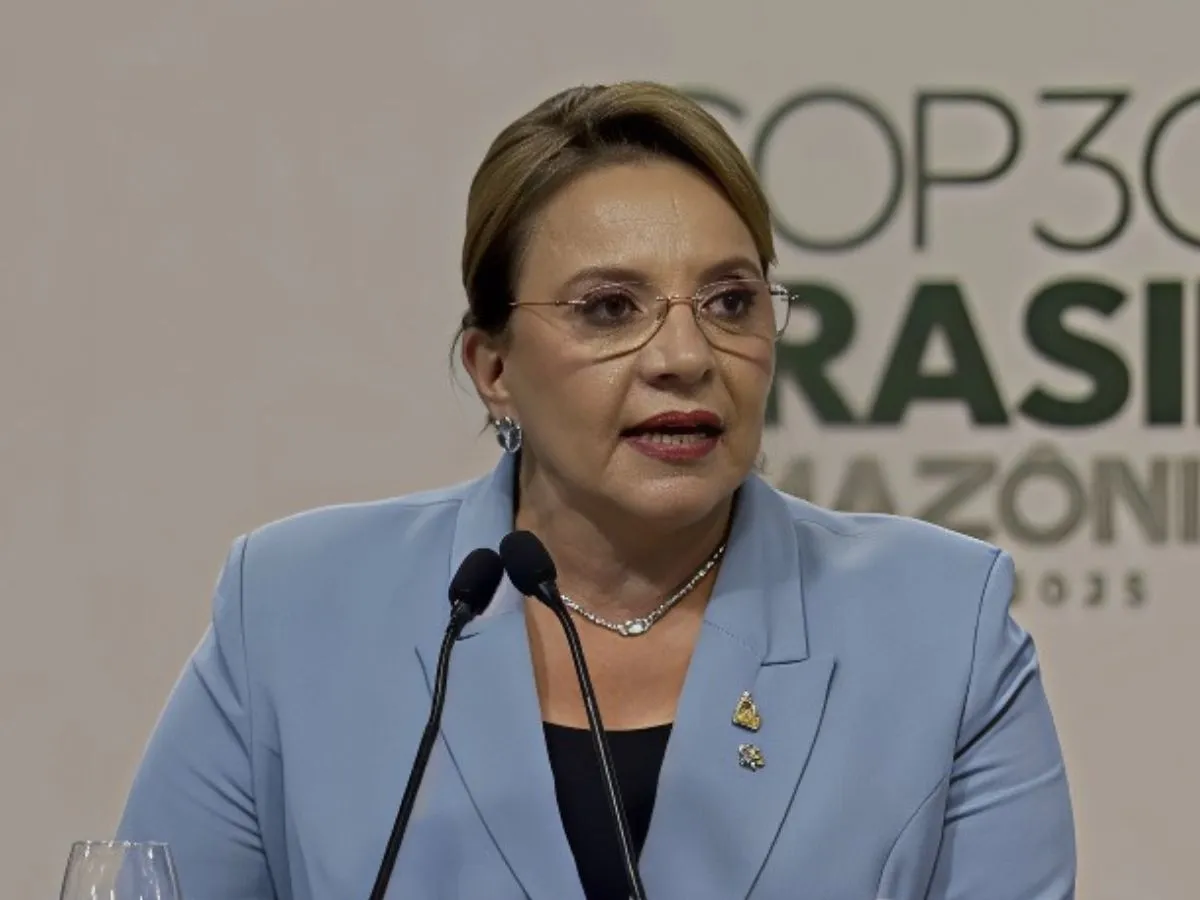
Delegates to COP 30 discuss how to handle global cooling. Photo: EFE
November 11, 2025 Hour: 1:28 pm
🔗 Comparte este artículo
The United Nations Environment Programme (UNEP) presented here its global Sustainable Cooling Pathway plan, aimed at reducing emissions and saving lives in the face of extreme heat.
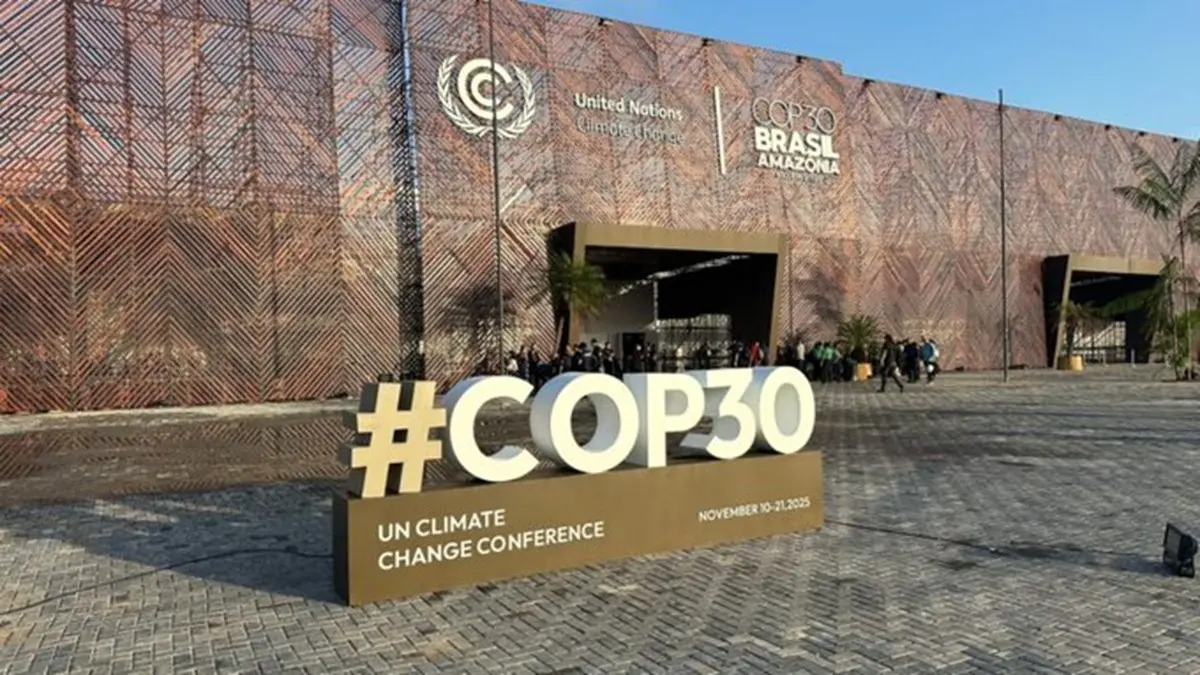
The increase in hot flashes due to extreme temperatures and the growing demand for cooling made sustainable cooling one of the central themes of the 30th UN Climate Conference (COP30), which is taking place in this city in the Amazon.
RELATED:
WWF Urges Action at COP30 to Revive Paris Agreement Momentum
UNEP research warns that global demand for refrigeration could triple by 2050 if urgent efficiency and sustainability measures are not implemented.
During the ministerial session Delivering on the Global Cooling Commitment, UNEP Executive Director Inger Andersen stated that access to cooling should be considered an essential infrastructure, alongside water, energy and sanitation. The initiative presented by the agency proposes a set of technological, urban and social solutions to reduce emissions linked to cooling and prevent air conditioning from becoming a new driver of climate change.
The main measures include the promotion of low-consumption passive solutions such as natural ventilation, white roofs, plant shading and reflective materials, the replacement of polluting refrigerants and the improvement of the energy efficiency of equipment.
“Extreme heat has become a silent threat, hitting the poorest especially hard,” Andersen stressed, warning that we cannot cool the planet by warming it even more.
For UNEP, following the Sustainable Cooling Pathway would prevent 2.6 billion tonnes of carbon dioxide (CO₂) by 2050 and save up to $43 trillion in energy and electricity infrastructure, while strengthening food and health security through cleaner cold chains.
The plan urges governments to integrate sustainable cooling into national climate adaptation initiatives, building codes, housing policies, and Paris Agreement emission reduction commitments.
At COP30, the Brazilian presidency endorsed the initiative under the slogan Beat the Heat, which promotes partnerships with tropical cities to implement affordable and resilient cooling systems.
According to UNEP, tropical and developing countries can reduce up to two-thirds of additional energy consumption by implementing nature-based urban strategies.
“Sustainable cooling is not a luxury, but a vital necessity,” Andersen reiterated and urged cooling people and the planet at the same time.
Author: HGV
Source: Telesur/Prensa Latina